
India reacts strongly to President Trump’s shocking $100,000 H-1B visa fee hike. This detailed blog covers official responses, tech sector impact, humanitarian worries, and the future of skilled professionals between India and the US.
Featured products
-

Buy Nylon Grocery Bags in USA – Durable, Reusable & Eco-Friendly Shopping Bags
$1.51 -
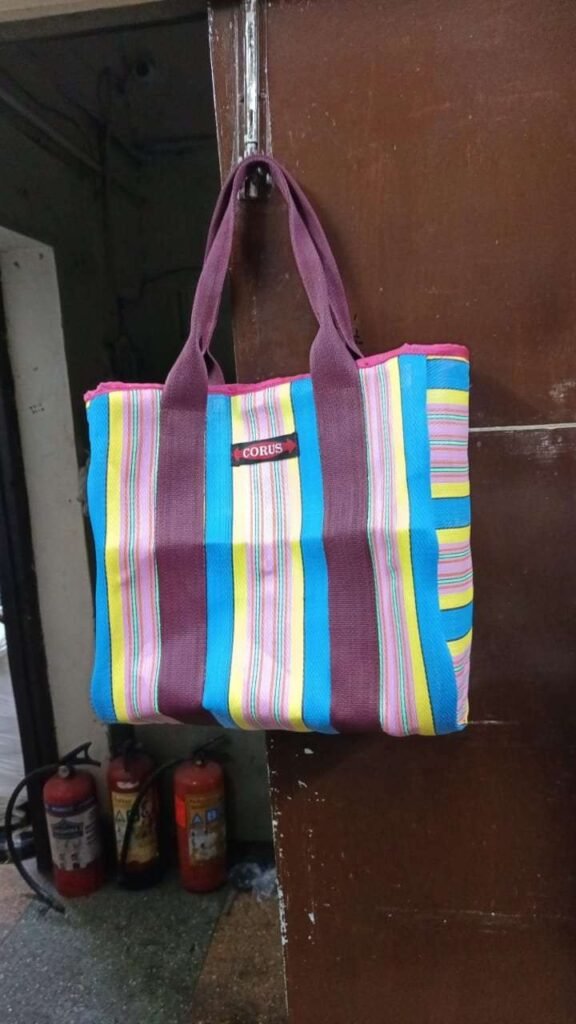
Corus Premium Striped Nylon shopping and Beaches Bags
$2.16 -

Eco-Friendly Nylon Carry Bag UK – Reusable & Sustainable Everyday Tote
$2.57 -

Eco-Friendly Nylon Reusable Shopping Bags Canada – Durable, Foldable & Sustainable
$1.02 -
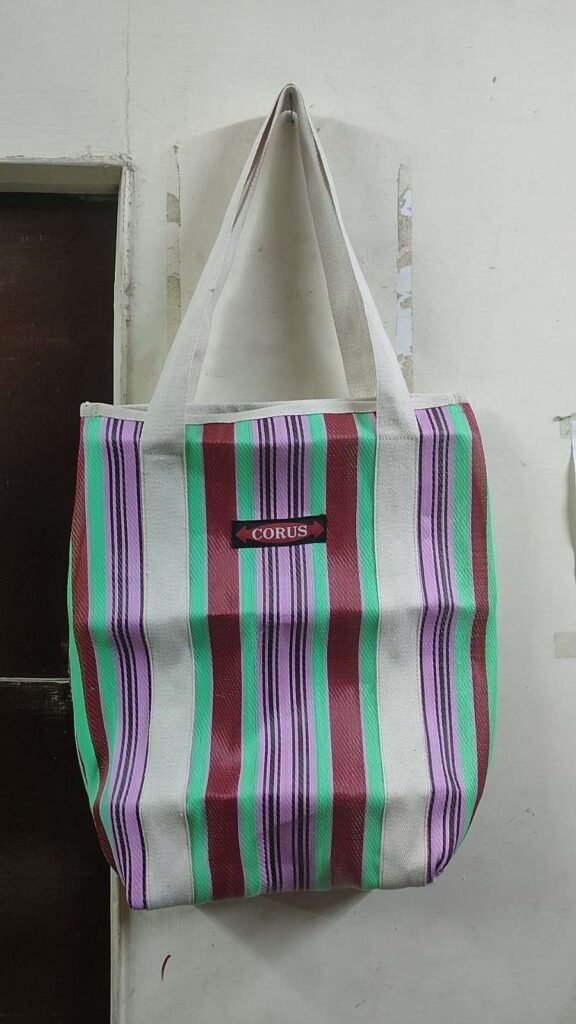
Foldable Nylon Shopping Bags – Compact, Reusable & Durable Tote Manufacturer
$1.55
Trump’s $100,000 H-1B Fee: How India Responded and Why It Matters
In September 2025, US President Donald Trump imposed a $100,000 fee on new H-1B visa applications. This move shocked the tech world. Indian media and professionals reacted with swift concern and anger. The new annual fee is among the highest ever placed on skilled migration.
What is the H-1B Visa?
The H-1B visa allows American companies to hire skilled international workers. These workers fill important roles in IT, science, engineering, and medicine. Most H-1B holders are Indian professionals. Big Indian tech companies depend on this visa to send talent to US jobs and projects.
What Changed with the H-1B Fee?
President Trump’s new rule raised the H-1B application fee to $100,000 per year. This fee applies to new applications only. Existing H-1B holders and renewals are not affected. The rule began on September 21, 2025. There is a possibility it could continue beyond one year.
India’s Official Stand
India’s government responded swiftly. The Ministry of External Affairs stated the fee hike would disrupt families and harm long-standing ties. Officials warned of serious humanitarian consequences. They said this change threatens the exchange of skilled talent between India and the US.
Humanitarian Concerns
The government emphasized the impact on families. Many Indians live, study, and work in the US under the H-1B program. Sudden policy changes cause stress and uncertainty. India hopes for solutions that reduce these disruptions.
Emergency Measures
India told its US embassies to offer round-the-clock help. Emergency numbers were released for Indian nationals needing urgent assistance. Embassies started helping with travel, visas, and documentation—especially for families affected by the new policy.
Diplomatic Talks
Commerce Minister Piyush Goyal planned a quick visit to the US for negotiation. This showed India’s focus on resolving the situation through high-level talks.
Public and Media Response
Across news and social media, “Trump H-1B visa fee hike” became a hot topic. Indian officials repeated the benefit of skilled worker mobility for both nations. Many argued that both India and the US have succeeded because of the H-1B program.
Indian IT Industry Reacts
India’s tech industry was upset. Companies and trade groups called the fee hike disruptive. Major IT firms like Infosys, TCS, and Wipro count on H-1B visas for US contracts. Trade bodies like NASSCOM warned of challenges ahead for ongoing US projects and business investment.
Calls for Policy Change
Industry leaders urged governments to talk and solve the problem together. They pointed out the “win-win” history of US-India tech ties. Indian workers have contributed to US innovation and growth for years.